Recovery Techniques: What Actually Works
You finish a brutal leg workout. You're destroyed. You immediately jump in an ice bath for 10 minutes because you heard it speeds recovery. Then you do 30 minutes of foam rolling. You take five different supplements. You wear compression gear to bed. You're doing everything the internet says enhances recovery.
The next day, you're still sore, still tired, and your next workout feels terrible. Meanwhile, your training partner who just went home, ate dinner, and slept eight hours feels great. You wonder why all your recovery "hacks" aren't working while they're recovering better by doing the basics.
Here's the truth: most recovery techniques are either minimally effective or completely overhyped. The fundamentals—sleep, nutrition, and hydration—account for 90% of recovery. Everything else is marginal at best. Ice baths might feel like you're doing something, but they can actually impair adaptation. Foam rolling feels good but doesn't speed recovery. Compression gear is mostly placebo.
Recovery isn't complicated. It doesn't require expensive gadgets or elaborate protocols. It requires consistently doing the boring basics really well. Sleep 8 hours. Eat adequate protein and calories. Stay hydrated. Manage stress. That's 90% of optimal recovery right there.
Let's break down what actually drives recovery, the evidence on popular recovery techniques, the hierarchy of recovery practices, optimal post-workout protocols, and why the basics matter infinitely more than the hacks.
What Recovery Actually Is
Understanding the biological process.
The Training-Recovery-Adaptation Cycle
Training stimulus:
Creates muscle damage (microscopic tears)
Depletes energy stores (glycogen)
Fatigues nervous system
Triggers inflammatory response
You end workout WEAKER than you started
Recovery process:
Repair muscle damage
Replenish energy stores
Remove metabolic waste
Reduce inflammation
Restore nervous system
Adaptation:
Muscle repairs stronger than before (supercompensation)
Energy stores exceed previous levels
Nervous system more efficient
You become STRONGER than pre-workout
This takes 24-72 hours depending on intensity.
What Limits Recovery
The bottlenecks:
Insufficient sleep (can't repair without it)
Inadequate nutrition (no building blocks)
Dehydration (impairs all processes)
Chronic stress (elevated cortisol)
Excessive training volume (can't recover from)
Fix these, recovery optimizes automatically.
The Recovery Hierarchy
What matters most, ranked.
Tier 1: The Non-Negotiables (90% of Recovery)
1. Sleep (50% of recovery alone)
The most critical factor:
7-9 hours nightly minimum
Deep sleep: growth hormone release, muscle repair
REM sleep: neural recovery, motor learning
Consistency: same schedule daily
Without adequate sleep:
Nothing else matters
Can't recover no matter what else you do
Performance declines
Injury risk increases
Optimize sleep first, always.
2. Nutrition (25% of recovery)
Post-workout and daily needs:
Protein: 1.6-2.2g/kg bodyweight daily (repair muscle)
Carbohydrates: Replenish glycogen (3-5g/kg for athletes)
Calories: Adequate for goals (deficit impairs recovery)
Meal timing: Within 2-3 hours post-workout
Specific post-workout:
20-40g protein
40-80g carbohydrates
Within 1-2 hours (flexible window)
3. Hydration (15% of recovery)
Why water is critical:
Nutrient transport to muscles
Waste removal from tissues
Temperature regulation
Cellular function
Protein synthesis requires hydration
Dehydration impairs:
Recovery speed 20-30%
Next-session performance
Waste removal
Inflammation reduction
Hydration with Grip Hydra:
Post-workout: 24-32 oz immediately
Throughout day: Baseline needs (bodyweight × 0.75-1 oz)
Urine color: pale yellow
Muscle arm reminder: recovery requires water
Tier 2: Helpful but Secondary (8% of recovery)
4. Stress Management
Chronic stress impairs recovery:
Elevated cortisol (catabolic)
Poor sleep quality
Reduced testosterone
Increased inflammation
Manage through:
Meditation, breathing exercises
Time management
Social connection
Hobbies and downtime
5. Active Recovery
Light movement aids recovery:
20-30 minute walks
Easy swimming or cycling
Gentle yoga
Promotes blood flow without stress
Not:
Another hard workout
"Active recovery" that leaves you fatigued
Excessive volume
Tier 3: Marginal Benefits (2% of recovery)
Everything else:
Massage
Foam rolling
Contrast therapy
Compression gear
Supplements (beyond basics)
These might help slightly but don't fix fundamentals.
Popular Recovery Techniques: Evidence Review
What actually works versus hype.
Ice Baths and Cold Therapy
The claim:
Reduces inflammation
Speeds recovery
Reduces soreness
The research:
Does reduce inflammation (this is actually bad)
Inflammation is necessary for adaptation
May impair muscle growth long-term
Reduces DOMS slightly (but doesn't speed recovery)
The verdict:
Might reduce soreness temporarily
But impairs long-term adaptations
Use only before competition (when recovery doesn't matter)
Avoid during training blocks (when adaptation does matter)
Ice baths feel like you're doing something. But they're counterproductive for building muscle/strength.
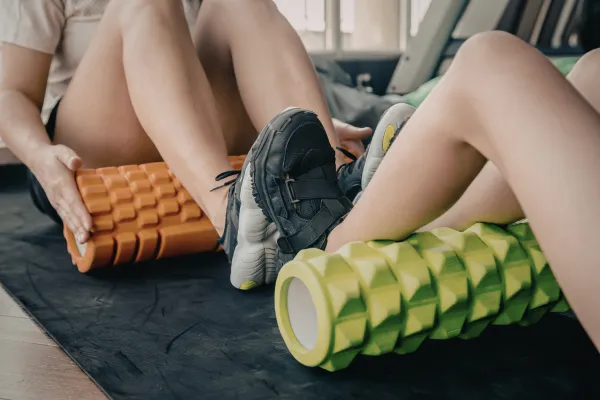
Foam Rolling and Self-Myofascial Release
The claim:
Releases muscle tension
Speeds recovery
Prevents injury
The research:
Temporarily reduces muscle tension (true)
Doesn't speed recovery (false)
Doesn't prevent injury (no evidence)
Feels good (placebo benefit)
The verdict:
Use if it feels good and you enjoy it
Don't rely on it for recovery
5-10 minutes max, not 30-45
Doesn't replace sleep/nutrition/hydration
Foam rolling is fine, just don't think it's recovering you.
Compression Gear
The claim:
Enhances blood flow
Speeds recovery
Reduces swelling
The research:
Minimal to no recovery benefit
Might reduce perceived soreness slightly
No performance benefit
Largely placebo
The verdict:
Wear if you like how it feels
Don't expect recovery benefits
Expensive for minimal return
Contrast Therapy (Hot/Cold Alternating)
The claim:
Pumps blood in and out
Flushes waste products
Enhances recovery
The research:
No significant recovery benefit
Doesn't speed muscle repair
Doesn't improve next-session performance
The verdict:
Feels interesting, does little
Not worth time/effort
Focus on fundamentals instead
Massage
The claim:
Speeds recovery
Reduces soreness
Enhances performance
The research:
Reduces perceived soreness (true)
Doesn't actually speed recovery (false)
Feels good (placebo and relaxation benefit)
The verdict:
Enjoyable and relaxing
Don't expect enhanced recovery
Expensive relative to benefit
Occasional treat, not recovery tool
Supplements Beyond Basics
What works:
Protein powder (convenient protein source)
Creatine (performance, some recovery benefit)
Caffeine (performance, no recovery benefit)
What's overhyped:
BCAAs (if eating adequate protein, useless)
Glutamine (no benefit for healthy athletes)
Most "recovery" supplements (minimal evidence)
Save money. Invest in food, not supplements.
The Optimal Post-Workout Protocol
What to actually do after training.
Immediately After (0-30 Minutes)
Hydration first:
24-32 oz water or sports drink
Replace immediate fluid loss
Begin rehydration process
Sip from Grip Hydra while:
Doing cool-down stretches (5-10 min)
Changing clothes
Heading home
Within 1-2 Hours
Post-workout meal:
20-40g protein (muscle repair)
40-80g carbohydrates (glycogen replenishment)
Can be shake or whole food
Example meals:
Chicken, rice, vegetables
Protein shake with banana
Greek yogurt with fruit and granola
Doesn't need to be immediately. 1-2 hour window is fine.
Rest of Day
Continue hydration:
Total: 150% of sweat loss
Spread over 4-6 hours post-workout
Urine pale yellow by evening
Regular meals:
Hit daily protein target (1.6-2.2g/kg)
Adequate calories
Balanced nutrition
Light activity okay:
Walking, daily life
Nothing strenuous
Promote blood flow
Evening
Sleep preparation:
Wind down 60-90 min before bed
Minimize screens
Cool, dark bedroom
8-9 hours opportunity
This is where recovery happens.
The 24-Hour Recovery Timeline
Hour by hour optimization.
0-2 hours post-workout:
Rehydrate (24-32 oz)
Eat meal (protein + carbs)
Cool-down stretching
2-6 hours post-workout:
Continue hydration
Regular meals
Light activity if desired
Work, daily life
6-12 hours post-workout:
Evening meal (protein + carbs)
Relaxation
Prepare for sleep
Final hydration
12-20 hours post-workout (overnight):
SLEEP (8-9 hours)
Growth hormone release
Muscle protein synthesis
Neural recovery
Adaptation occurs
20-24 hours post-workout:
Morning hydration
Balanced breakfast
Normal activities
Ready for next session (if appropriate frequency)
Simple. Not complicated. Just consistent basics.
Active Recovery Days
Strategic rest and movement.
What Active Recovery Is
Light activity that promotes recovery:
20-30 minute walk
Easy swimming (not laps)
Gentle yoga or stretching
Light cycling
Intensity guidelines:
Can hold conversation easily
Heart rate <120 bpm
Feels restorative, not tiring
What Active Recovery Does
Benefits:
Increases blood flow (nutrient delivery, waste removal)
Reduces stiffness
Maintains movement patterns
Mental break from hard training
Doesn't:
Build fitness
Count as training
Replace complete rest days
When to Use
Active recovery appropriate:
Day after hard training session
Between intense workout days
When feeling stiff but not injured
Complete rest better:
Very fatigued
Showing overtraining signs
Sick or injured
After particularly brutal week
Listen to body. Sometimes doing nothing is better.
What Actually Speeds Recovery
Evidence-based practices.
Prioritize Sleep
The single most important factor:
Consistent 8-9 hours nightly
Dark, cool room
Regular schedule
Non-negotiable
If choosing between:
Sleep 8 hours OR do recovery protocol
Always choose sleep
Dial In Nutrition
Daily targets:
Protein: 1.6-2.2g/kg
Carbs: 3-5g/kg (athletes)
Adequate total calories
Post-workout meal within 2 hours
Meal quality:
Whole foods mostly
Vegetables and fruits
Micronutrients matter
Digestible and tolerated well
Stay Aggressively Hydrated
Throughout day:
Bodyweight × 0.75-1 oz minimum
More on training days
Urine pale yellow
Track with Grip Hydra refills
Post-workout:
24-32 oz immediately
150% of sweat loss over 4-6 hours
Don't wait until thirsty
Manage Training Volume
Recovery is context-dependent:
More volume = more recovery needed
If not recovering, reduce volume
Deload every 4-8 weeks
Can't out-recover bad programming
Reduce Life Stress
Where possible:
Time management
Saying no to excess commitments
Relaxation practices
Social support
Training stress + life stress = total stress. Manage both for optimal recovery.
Common Recovery Mistakes
What prevents optimal restoration.
Mistake 1: Prioritizing Hacks Over Basics
The error:
Ice bath, compression, supplements
But only sleeping 6 hours
Poor nutrition
Chronically dehydrated
The fix:
Sleep 8+ hours FIRST
Eat adequate protein FIRST
Hydrate properly FIRST
Then consider extras (if desired)
Mistake 2: "Active Recovery" Too Intense
The error:
Active recovery = another workout
Hard cycling, running, circuits
Defeating the purpose
The fix:
Truly easy activity
Can talk comfortably throughout
Restorative, not fatiguing
Mistake 3: Skipping Cool-Down
The error:
Finish last set, immediately leave
No transition
No stretching
The fix:
5-10 minute cool-down always
Light movement
Static stretching
Gradual transition
Mistake 4: Inconsistent Sleep
The error:
6 hours weekdays
10 hours weekends to "catch up"
Erratic schedule
The fix:
Consistent 8-9 hours nightly
Same schedule daily
Can't make up sleep debt effectively
The Bottom Line: Basics Over Hacks
Recovery isn't about exotic techniques or expensive gadgets. It's about consistently doing the fundamentals really well.
The 90% that matters:
Sleep 8-9 hours nightly (50%)
Adequate protein and nutrition (25%)
Proper hydration with Grip Hydra (15%)
The 8% that helps:
Stress management
Active recovery (when appropriate)
The 2% that's optional:
Massage, foam rolling, compression
Feel-good but not necessary
If not doing the 90% perfectly:
Don't waste time on the 2%
Fix fundamentals first
Everything else is rearranging deck chairs
Recover smart. Do the basics. Let adaptation happen.
Your Recovery Action Plan
Optimizing restoration:
Prioritize sleep (8-9 hours nightly, consistent schedule)
Post-workout nutrition (protein + carbs within 2 hours)
Aggressive hydration with Grip Hydra (150% sweat replacement)
Daily protein target (1.6-2.2g/kg bodyweight)
Strategic deloads (every 4-8 weeks)
Active recovery (light movement, not workouts)
Manage stress (where possible)
Skip the hacks (unless basics are perfect)
Within 2-4 weeks of optimized recovery:
Better session-to-session performance
Reduced soreness duration
Improved strength progression
Sustainable training
Feeling recovered and ready
Recovery is simple. Do the boring basics consistently. Everything else is noise.

